November 24, 2026
Ensuring a comfortable indoor environment relies heavily on reliable Heating, Ventilation, and Air Conditioning (HVAC) systems. Regardless of the season or external weather conditions, a well-functioning system makes living spaces hospitable and conducive to daily activities. When freezing winter winds blow outside or humid summer heatwaves settle over your neighborhood, your indoor climate control equipment works behind the scenes to keep every room balanced and inviting. With rapid advancements in mechanical engineering and an increasing focus on energy efficiency, modern units are far more capable and adaptable than older models.
Professional HVAC services not only help regulate indoor temperatures with precision, but they also improve indoor air quality, protect property structures from moisture damage, and reduce overall environmental impact. Understanding how these comprehensive solutions contribute to year-round comfort, system longevity, and lower utility bills is essential for homeowners and business owners alike. By taking a proactive approach to heating and cooling care, you can avoid sudden breakdowns and enjoy dependable comfort through every month of the year.
Understand the Basics of HVAC Systems
HVAC systems comprise several distinct mechanical and electrical components working in harmony to control the indoor climate, including the furnace, boiler, air conditioner, heat pump, ductwork, and thermostat. Each part plays a specialized role in heating, cooling, ventilating, and maintaining clean indoor air. Understanding how these parts interact makes it much easier to keep your equipment running smoothly and recognize when professional attention is needed. Beyond mere temperature control, these systems manage optimal indoor humidity levels and continuously filter airborne contaminants, dust, pet dander, allergens, and outdoor pollutants. In regions with fluctuating seasonal weather or elevated seasonal pollen counts, balanced ventilation and high-efficiency filtration create a noticeably healthier indoor atmosphere for your family or employees.
With modern technological advancements—such as variable-speed blower motors, smart diagnostic sensors, ductless mini-split configurations, and renewable energy integration—today's units perform better while consuming significantly less electricity or fuel. Variable-speed components adjust their output gradually rather than abruptly switching on and off at full blast, which prevents uncomfortable temperature swings and reduces mechanical wear on internal motors. Pairing these innovations with routine HVAC services ensures every component remains properly calibrated, delivering quiet, consistent comfort across every room in your home or commercial property.
Schedule Regular HVAC Maintenance
Routine upkeep is vital for the longevity, safety, and efficiency of your heating and cooling equipment. Preventive care helps trained specialists identify and address minor mechanical wear before it escalates into major, costly repairs, while ensuring units operate at peak performance. According to This Old House, properly cared-for HVAC units typically have a lifespan of 15 to 20 years. Investing in consistent preventative care protects your long-term equipment investment, preserves manufacturer warranty coverage, and prevents unexpected breakdowns during extreme summer heatwaves or freezing winter nights.
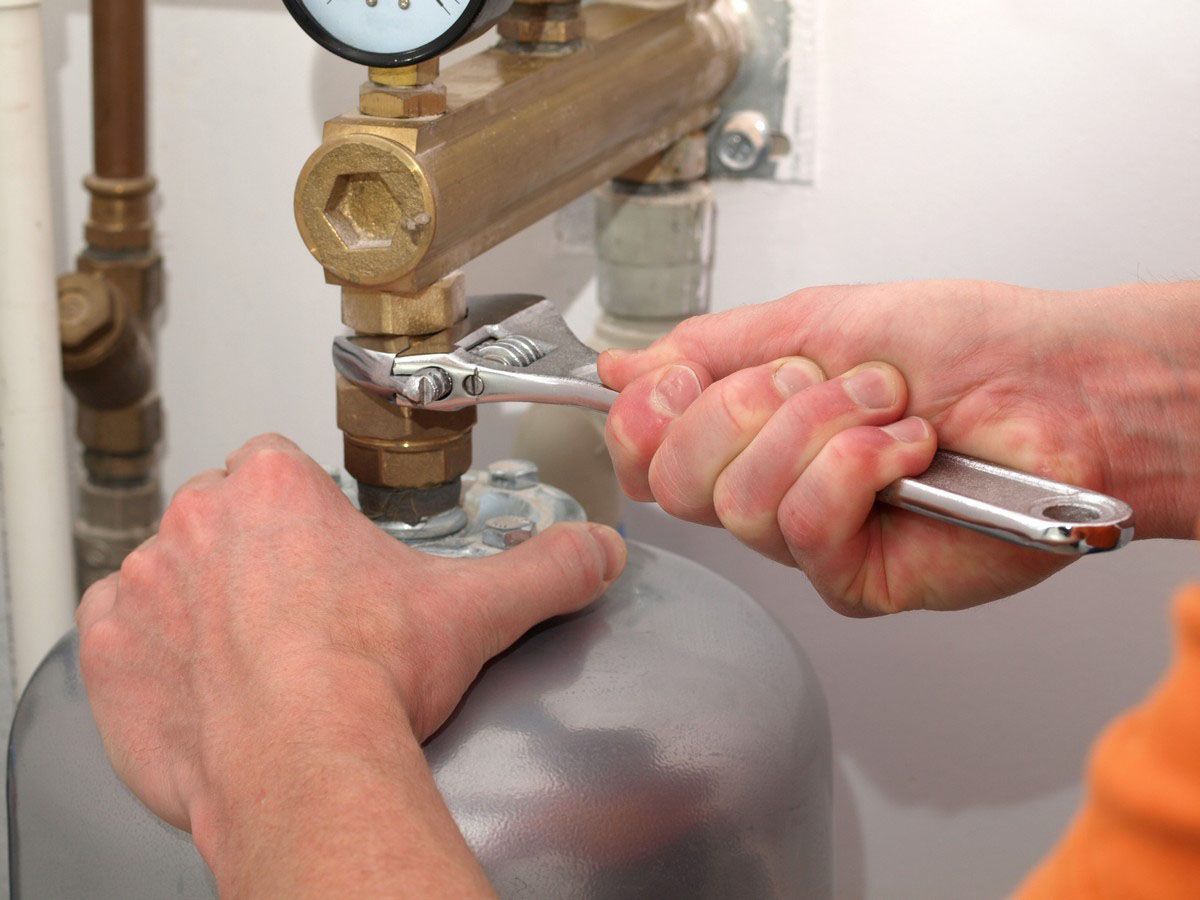
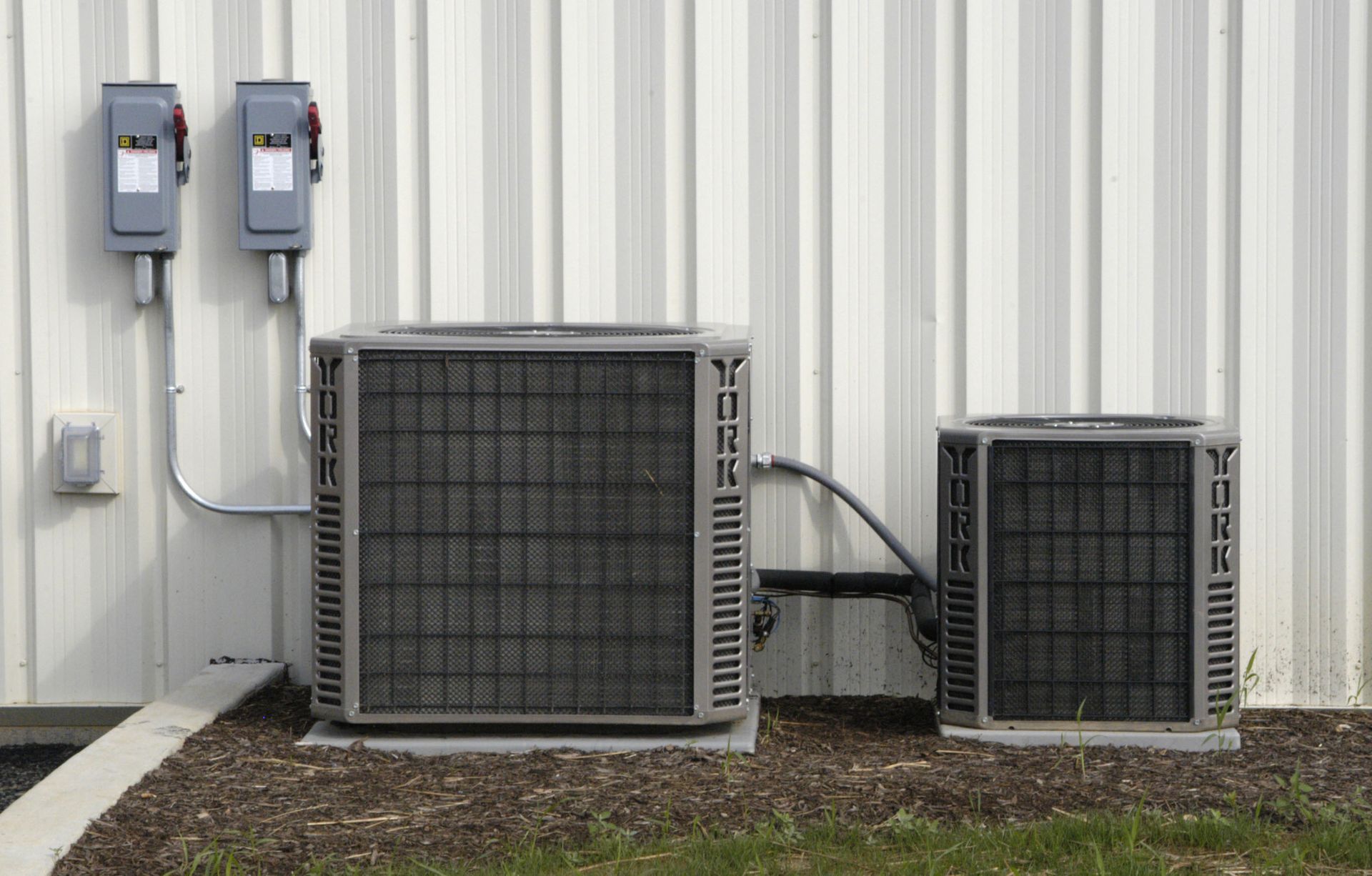
While homeowners can handle simple everyday tasks—such as regularly replacing disposable air filters, keeping outdoor condenser units clear of fallen leaves and overgrown weeds, and ensuring interior supply and return vents remain unobstructed by furniture—deeper mechanical care requires special expertise. Scheduling professional HVAC services twice a year—once in spring before the cooling season begins and once in autumn before the heating season arrives—allows skilled technicians to clean evaporator and condenser coils, check refrigerant pressures, inspect heat exchangers for cracks, tighten electrical connections, test safety controls, and run comprehensive system diagnostics to keep your equipment running safely and efficiently.
Adjust Systems for Seasonal Performance
Preparing your equipment for changing weather ensures optimal performance and reduced energy costs throughout the year. Before winter arrives, inspecting and cleaning the furnace or boiler, testing ignition systems, clearing supply vents, and sealing window or door drafts help the system manage the heating load efficiently without overworking. Updating thermostat programming ahead of cold weather also prevents unnecessary energy waste when nobody is home during the workday or when everyone is asleep under warm blankets at night.
In spring and summer, checking refrigerant levels, cleaning outdoor coils, flushing condensate drain lines, and using ceiling fans supplement cooling capacity during peak afternoon heat. Reversing ceiling fan blade direction seasonally helps circulate conditioned air more effectively—pushing cool air downward in summer and gently redistributing warm air pooled near the ceiling in winter—without forcing your equipment to work overtime. Tailoring these seasonal adjustments to your regional climate—whether managing heavy summer humidity, sudden spring temperature swings, or dry winter air—ensures consistent indoor comfort regardless of what the weather brings. Experienced providers of HVAC services can also recommend whole-home humidifiers, dehumidifiers, or custom ductwork modifications tailored to your property's exact layout.
Maximize Energy Efficiency at Home
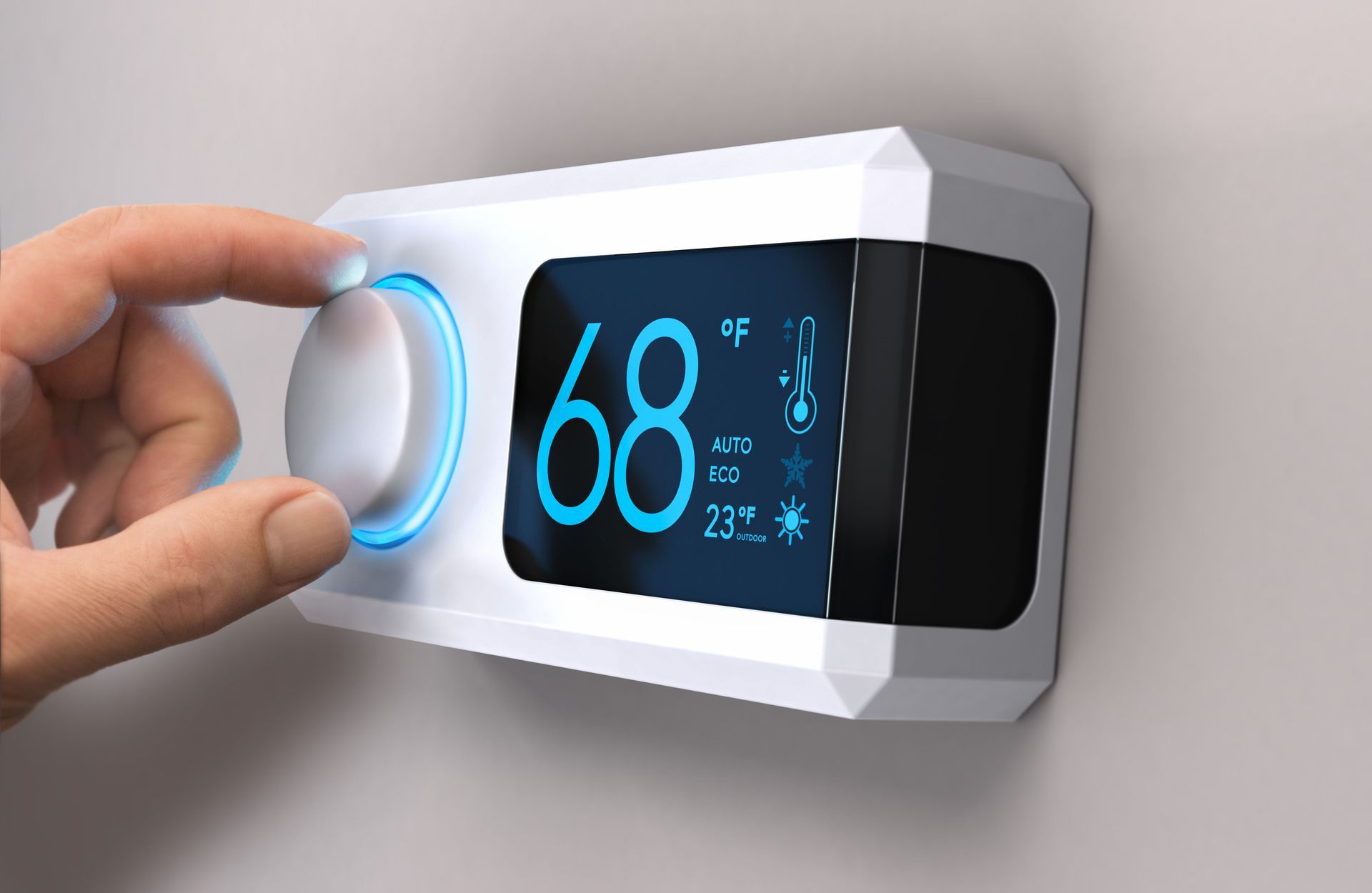
Pairing smart operational strategies with your heating and cooling equipment can significantly lower monthly utility expenses while reducing strain on vital components. Smart thermostats learn daily household routines to adjust temperatures automatically, while zoned climate control systems divide a property into distinct comfort zones so unoccupied guest rooms, basements, or storage areas are not heated or cooled unnecessarily. Remote smartphone controls further allow property owners to fine-tune temperature settings on the fly, avoiding wasted energy during unexpected travel or schedule changes.
Proper attic, basement, and wall insulation, along with professionally sealing leaky air ducts, prevents conditioned air from escaping into unconditioned spaces like crawlspaces or attics before it ever reaches your living areas. Simple daily habits—such as closing blinds or curtains during hot sunny afternoons, opening window coverings to capture natural winter sunlight, and keeping heat-producing lamps or electronics away from wall thermostats—also support steady indoor temperatures. Additionally, exploring available federal tax credits, local utility rebates, and flexible financing options for high-efficiency heat pumps, tankless water heaters, boilers, or furnaces makes upgrading to sustainable, cost-saving comfort even more accessible.
Troubleshoot Common HVAC Problems
Recognizing early warning signs of system trouble can prevent complete equipment failures and extend the working life of your heating and cooling units. Poor airflow or noticeable temperature differences between rooms often point to blocked vents, clogged air filters, failing blower motors, or disconnected ductwork. Unusual operational sounds—such as rattling, banging, screeching, hissing, or gurgling—can signal loose metal panels, worn fan belts, failing bearings, or refrigerant leaks, while frequent short-cycling or unresponsive wall controls may indicate thermostat calibration problems, dirty flame sensors, or restricted airflow.
Unexplained spikes in monthly gas or electric bills, excessive indoor humidity, or musty odors blowing from vents are additional clues that the heating or cooling equipment needs prompt attention. Addressing water leaks from clogged condensate drains or scheduling timely HVAC services when these symptoms appear protects your property from moisture buildup, mold growth, and structural water damage while restoring reliable, safe operation before minor component wear turns into an urgent system replacement.
Investing in routine preventative care, smart energy efficiency upgrades, and timely professional repairs plays a crucial role in maintaining year-round indoor comfort and enhancing your overall quality of life.
From seasonal tune-ups and custom ductwork fabrication to complete residential and commercial heating and cooling installations, reliable HVAC services ensure your equipment operates safely, quietly, and effectively through every season. When you partner with knowledgeable local technicians who understand regional weather demands, you gain lasting peace of mind alongside dependable climate control. Ready to optimize your home or business's heating and cooling performance? Contact Edward L Kemp Co today to schedule comprehensive HVAC services and keep your indoor space comfortable all year long.