September 23, 2026
Air conditioning systems keep your home comfortable during hot summer months. When your equipment operates smoothly, you enjoy cool indoor temperatures and reasonable utility bills. However, mechanical issues can slowly develop without immediate total failure. These hidden problems force your equipment to run longer and draw extra electricity to cool your living space.
Addressing small mechanical problems promptly protects your home equipment and keeps your monthly cooling expenses under control. Ignoring minor glitches often leads to larger component failures and higher utility costs. Learning how to spot operational problems helps you decide when to schedule professional AC repair to restore system efficiency.
Spotting Early Warning Signs
Uneven cooling throughout different rooms in your house indicates that your cooling system is struggling to perform. You might notice that your living room feels comfortable while upstairs bedrooms stay warm and muggy. This imbalance often stems from restricted airflow or failing mechanical parts. When your unit struggles to maintain a steady temperature, it runs continuously to compensate for the cooling loss.
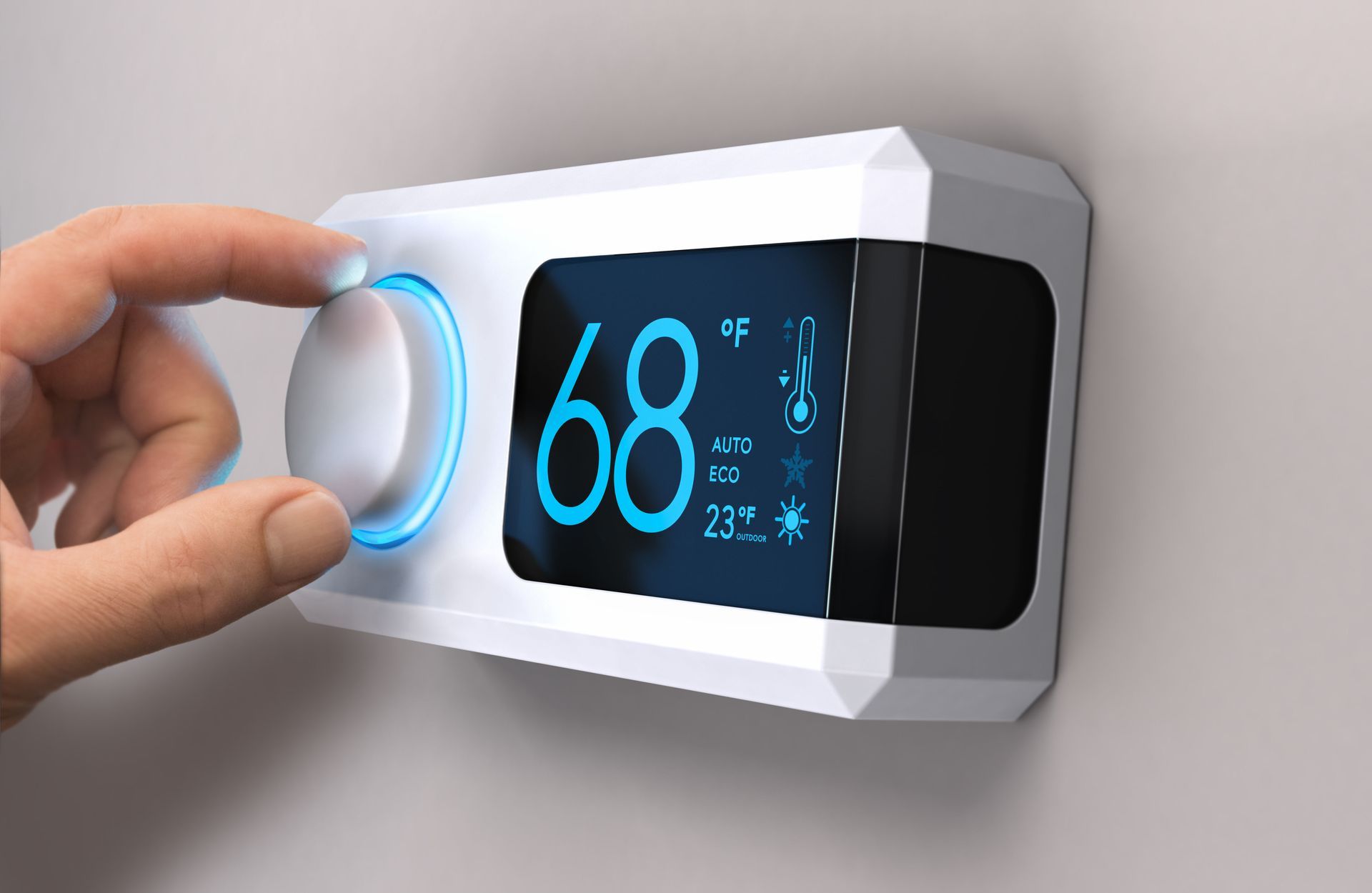
Continuous operation increases power consumption and adds wear to critical components. A failing thermostat can also send incorrect signals, causing improper cooling cycles. Recalibrating or replacing a faulty thermostat ensures that your unit receives accurate room temperature readings.
Tracking Unexplained Power Spikes
Monitoring your monthly utility statements offers clear insight into your cooling system's health. While summer heat naturally increases power demands, a sudden jump in energy usage without an increase in outdoor temperature points to internal system problems. According to the U.S. Energy Information Administration, cooling systems use about 19% of the total electricity consumed in American households, and when internal components begin to fail, that percentage may climb significantly higher.
Comparing current energy statements against historical usage from last year highlights unusual spikes. Internal component wear, such as a struggling fan motor, causes the unit to pull more power during operation. Arranging a professional inspection helps pinpoint the cause of rising utility expenses.
Listening for Unusual Noises
Healthy cooling systems operate with a steady, low hum as air moves through your ductwork. Hearing harsh mechanical sounds during a cooling cycle signals that physical parts have loosened or failed. Rattling noises inside the outdoor cabinet usually point to loose hardware or debris trapped near the motor. Banging sounds often indicate a severe issue with the motor assembly or internal compressor components.
Ignoring physical grinding or rattling forces the system to operate under heavy friction. Extra friction increases power draw while accelerating wear across surrounding parts. Scheduling prompt AC repair when you hear unusual mechanical noises prevents total system breakdowns and protects your budget.
Diagnosing Buzzing and Hissing
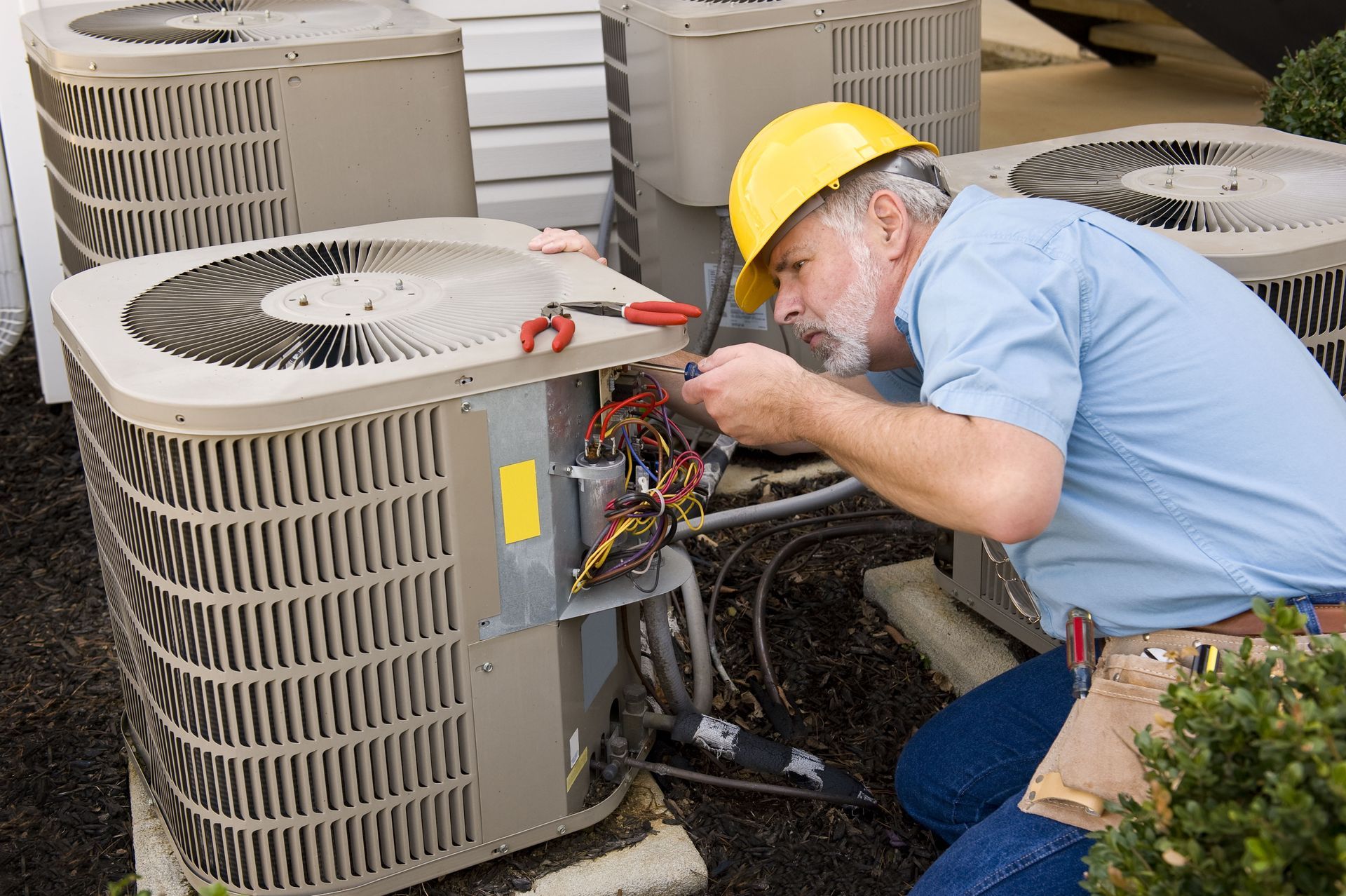
Electrical problems inside your cooling unit often generate distinct buzzing or humming sounds. Defective capacitors or loose electrical wiring create resistance that wastes electricity and poses safety risks. Electrical resistance forces your unit to consume extra power while struggling to stay powered on.
Hissing or bubbling noises near the indoor or outdoor coils usually indicate a refrigerant leak. Low refrigerant levels prevent the system from absorbing heat effectively, forcing the compressor to run nonstop. Fixing refrigerant leaks and electrical faults promptly preserves energy efficiency and keeps your equipment running safely.
Watching for Short Cycling
Air conditioners naturally run in sustained cooling cycles to remove heat and humidity from your living space. When a unit turns on, runs briefly before shutting off and restarting, it is experiencing short cycling. The startup phase of a cooling cycle requires the highest amount of electrical power. Repeatedly starting up throughout the hour creates heavy spikes in power usage.
Short cycling frequently results from dirty air filters or failing sensor controls. An oversized unit cools the air near the thermostat too quickly without removing humidity, causing rapid cycle changes. Addressing short cycling through professional AC repair helps stabilize your system's power consumption and extends component lifespans.
Protecting Internal Components
Constant starting and stopping places extreme mechanical stress on your system's compressor. The compressor represents the most vital component inside your outdoor unit, and replacing it requires a major financial investment. Frequent cycling prevents the compressor from reaching steady operating pressures, leading to overheating and electrical strain.
Replacing dirty air filters and clearing restricted coils allows air to flow freely. Unrestricted airflow maintains steady cooling cycles and prevents the motor from overheating.
Checking Air Quality and Moisture
Your cooling system functions as a natural dehumidifier by pulling moisture out of the indoor air as it cools. When condensation accumulates inside the drain pan without flowing out, mold and mildew can develop rapidly. Musty odors coming from your supply vents indicate microbial growth on internal coils or inside drain lines.
Dirty coils covered in microbial growth cannot transfer heat efficiently. The insulating layer of grime forces the system to run longer to achieve your desired thermostat setting. Scheduling AC repair to clean internal coils and treat drain pans restores clean indoor air while lowering daily energy usage.
Clearing Clogged Drain Lines
High indoor humidity levels make your living space feel warmer than the actual thermostat reading. When your system struggles with moisture removal, you might feel tempted to lower the temperature setting even further. Dropping the thermostat setting forces the unit to work harder, consuming unnecessary electricity.
A clogged condensate drain line causes water to back up into the secondary drain pan. Excess moisture around the indoor unit signals an immediate maintenance need. Clearing blocked drain lines ensures proper moisture removal and prevents structural water damage.
Restoring Peak Cooling Performance
Refrigerant serves as the heat-transfer medium that makes indoor cooling possible. When a system develops a pinhole leak in its copper tubing, refrigerant levels slowly drop over time. Low refrigerant reduces cooling capacity, causing the unit to circulate warm air while the compressor runs continuously.
Continuing to run a cooling unit with low refrigerant leads to severe compressor damage and high power bills. Qualified technicians use precise testing equipment to locate small leaks and repair the copper tubing. Restoring proper refrigerant levels restores rapid heat transfer and reduces daily runtime.
Cleaning Condenser Coils
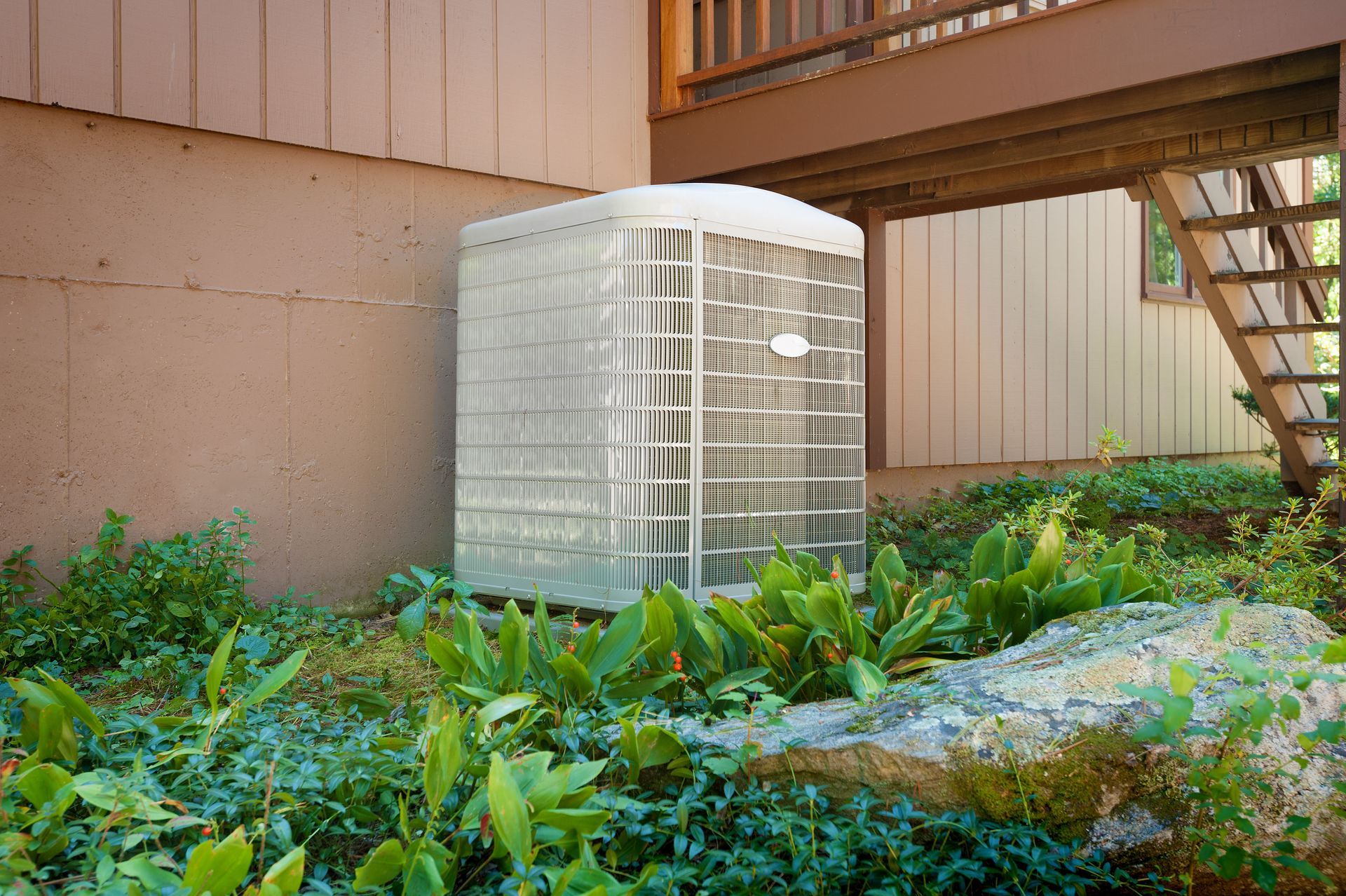
The outdoor condenser coil releases heat gathered from inside your home into the outside air. Dirt, lawn clippings, and outdoor debris accumulate on the aluminum fins during the cooling season. A thick layer of debris traps heat inside the coil, preventing proper heat exchange.
When the outdoor coil cannot release heat, system operating pressures rise dramatically. Higher pressure forces the compressor to pull more electrical current to maintain operation. Cleaning the outdoor unit with proper coil cleaners restores free airflow and lowers electrical draw during peak summer heat.
Managing your home cooling costs requires paying close attention to how your equipment operates throughout the summer. Recognizing early signs of inefficiency, such as rising utility bills or strange mechanical noises, allows you to address problems before they cause severe damage. Professional AC repair restores lost cooling efficiency and protects your equipment investments.
When you notice warning signs that your cooling system is consuming extra energy, working with an experienced local contractor ensures reliable results. The dedicated team at Edward L Kemp Co brings practical technical knowledge and dependable service to every home visit. To schedule an inspection or arrange AC repair for your home, contact Edward L Kemp Co today.