May 20, 2026
Maintaining a comfortable home environment depends heavily on the reliability of your heating, ventilation, and air conditioning setup. While these systems are built to endure the rigors of changing seasons, they are not permanent fixtures and will eventually require replacement to maintain efficiency. Homeowners often find themselves weighing the benefits of repairs against the long-term advantages of a professional AC installation. Understanding the lifecycle of your equipment allows you to plan for this significant investment without the stress of an emergency failure during a heatwave or a cold snap.
Understand HVAC System Longevity
The various parts of a climate control system do not wear out at the same rate, which often leads to confusion regarding when the entire unit should be retired. According to This Old House, well-maintained systems generally last 15 to 20 years before they reach their operational limit. Homeowners should track the age of their specific components to avoid being caught off guard by a sudden breakdown that necessitates an immediate AC installation.
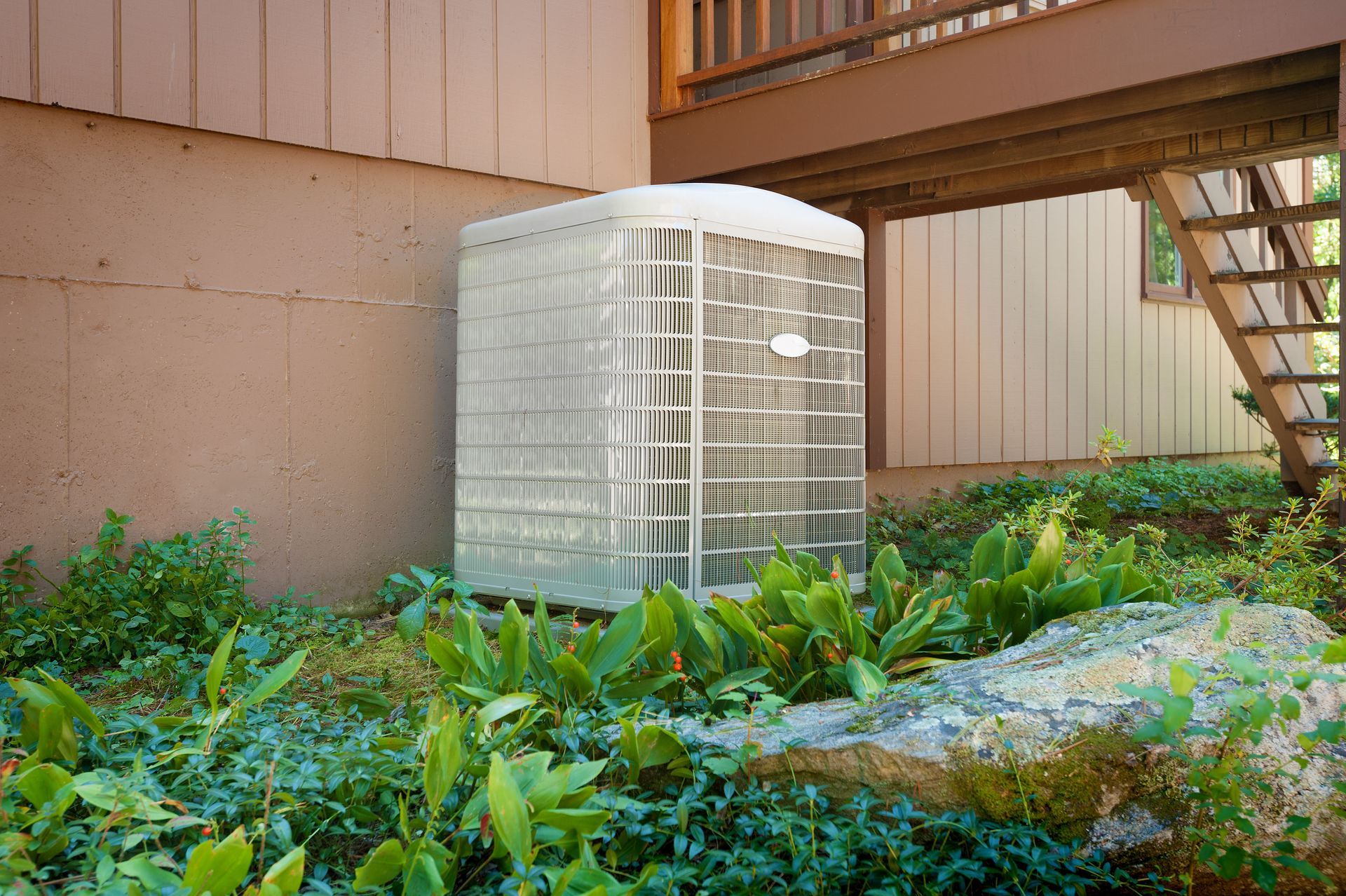
Several environmental and usage factors influence how long your equipment will remain functional. Systems located in coastal areas may face corrosive salt air that degrades outdoor coils faster, while units in extreme climates work harder and may retire sooner than those in temperate zones. The quality of the initial setup and the brand's reputation for durability also dictate the expected service years. Investing in consistent care is the most effective way to maximize your return on investment and delay the need for a new AC installation until it is truly necessary.
Recognize Signs of System Decline
One of the most obvious indicators that your equipment is failing is a steady increase in your monthly utility bills despite consistent weather patterns. As mechanical parts age, they lose their efficiency and must run for longer periods to achieve the same cooling or heating results. This increased energy consumption is a clear signal that the internal components are struggling to keep up with the demands of your home. If you find yourself constantly adjusting the thermostat or if the system seems to run incessantly, it is likely that the unit is nearing the end of its functional life. In such cases, the cost of a modern AC installation is often offset by the significant monthly savings on your power bill.
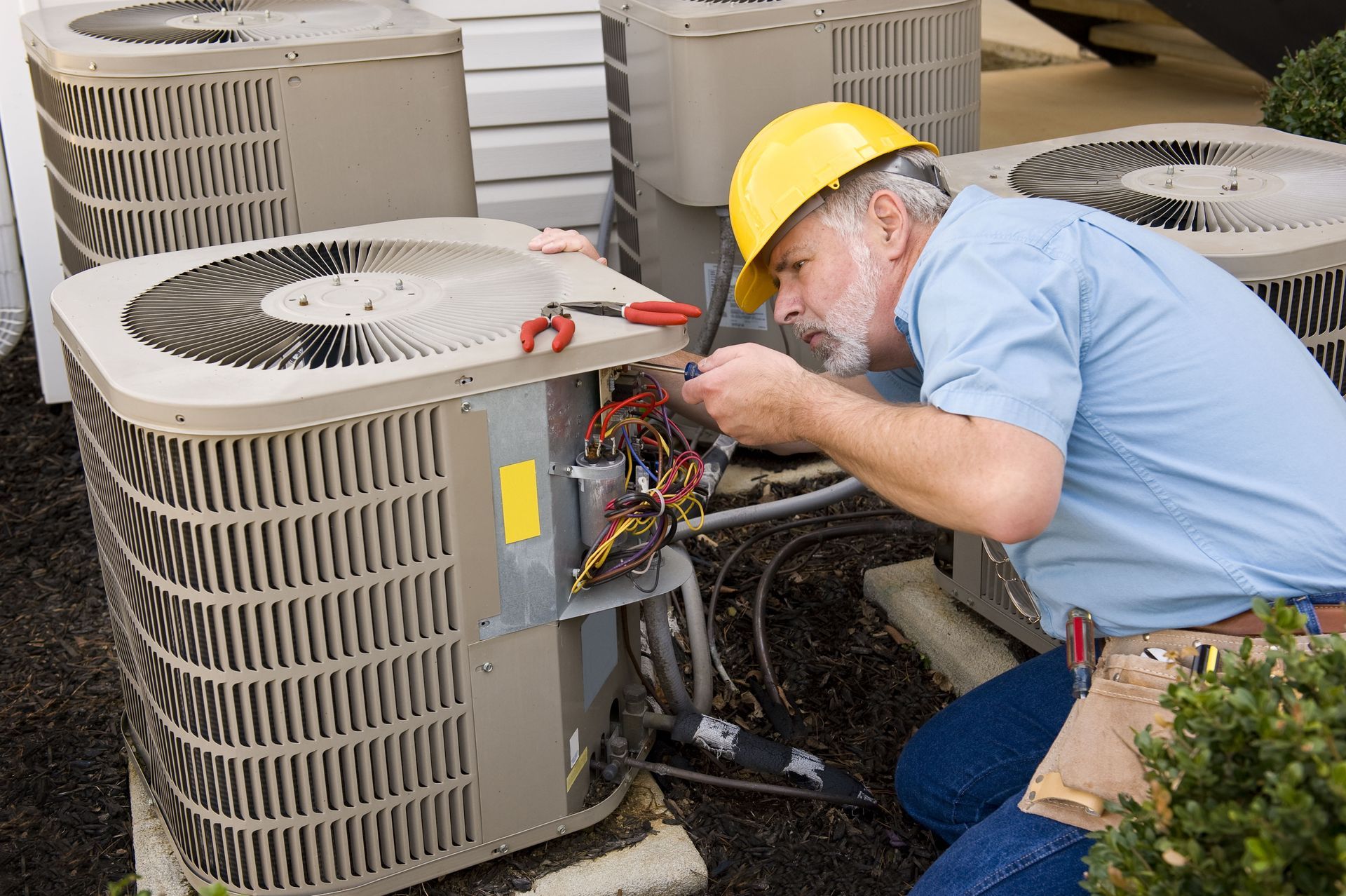
Frequent repairs and mechanical inconsistencies also serve as warning signs that the end is near. While an occasional fix is expected, a pattern of recurring issues suggests that the system's structural integrity is compromised. You might also notice uneven temperatures throughout the house, where some rooms feel like ice boxes while others remain uncomfortably warm. Addressing issues early by opting for a proper AC installation can prevent safety hazards and restore the uniform comfort your family deserves.
Evaluate Modern Heating and Cooling Technology
Technological progress in the HVAC industry has moved at a rapid pace, offering homeowners efficiency levels that were once thought impossible. Modern units come with much higher SEER (Seasonal Energy Efficiency Ratio) ratings, which directly correlate to lower operating costs and a smaller environmental footprint. These advancements mean that even a system that is only ten years old might be significantly outperformed by today’s entry-level models. Beyond just saving money, a new AC installation introduces features like variable-speed blowers that provide more consistent airflow and better dehumidification.
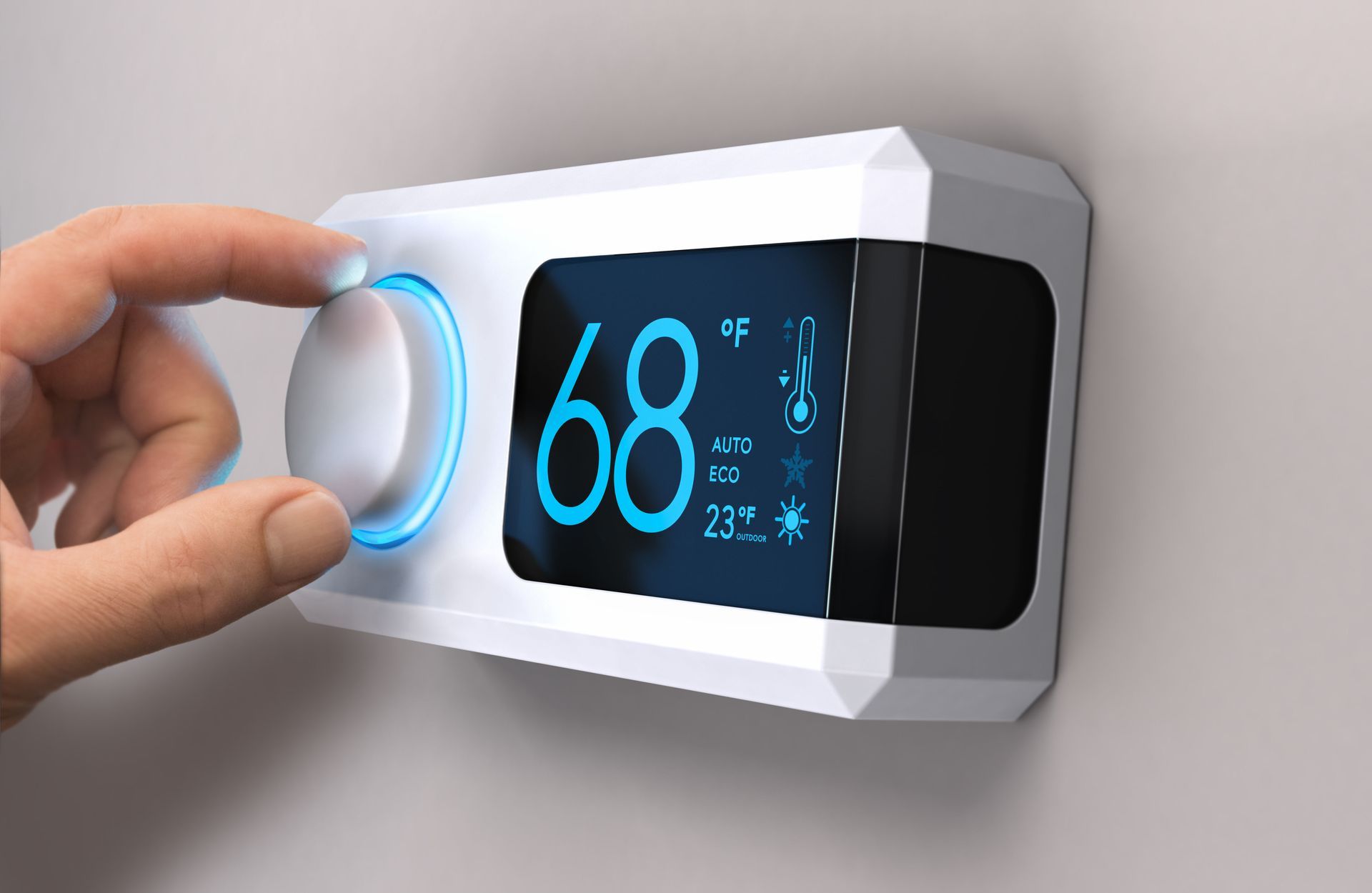
The rise of smart home technology has further changed the landscape of residential climate control. Integrated systems now allow for remote monitoring and automated adjustments based on your daily routine or the current outdoor weather. Some high-end models even include self-diagnostic tools that can alert you or your technician to potential problems before they lead to a system shutdown. By choosing a cutting-edge AC installation, you gain a level of control over your home environment that was previously unavailable, ensuring every watt of energy is used purposefully.
Analyze Financial Aspects of Replacement
Performing a detailed cost-benefit analysis is essential when deciding whether to repair a failing unit or replace it. While a quick fix might seem cheaper in the short term, the recurring costs of multiple service calls can quickly exceed the price of a total system replacement. Homeowners should evaluate the total value of their equipment and compare it to the price of the necessary parts and labor. If the machinery has already passed its prime, a new AC installation provides a fresh start with full warranty protection. This long-term perspective prevents you from pouring money into a failing asset.
Finding the necessary funds for a major home improvement project is often easier than many people expect. Reputable service companies offer various financing plans that allow you to distribute the cost over an extended period with manageable monthly payments. Local utility companies also provide rebates and incentives for homeowners who choose to upgrade to equipment that meets high efficiency standards. These financial programs make a professional AC installation accessible without requiring a massive upfront payment. By focusing on the reduction in monthly operating costs, you can see how the new system pays for itself over time.
Prioritize Sustainability and Home Efficiency
The environmental impact of an aging HVAC system is a growing concern for many modern homeowners. Older units often rely on outdated refrigerants that have a higher potential for ozone depletion or global warming compared to modern, eco-friendly alternatives. Furthermore, the excessive energy consumption of a declining system contributes to a larger carbon footprint for the entire household. By transitioning to a high-efficiency AC installation, you are making a conscious choice to reduce your home’s emissions and support global sustainability efforts.
Achieving peak home efficiency requires a holistic approach that goes beyond just the mechanical unit itself. Modern HVAC installations are often paired with improvements in insulation, duct sealing, and the use of programmable thermostats to create a truly efficient envelope. Look for the ENERGY STAR label when selecting your equipment, as this certification ensures the unit meets rigorous energy performance levels set by the government. A focus on sustainability ensures that your AC installation will remain compliant with future environmental standards while providing a healthier indoor air quality for your family.
Plan Your Equipment Upgrade Strategically
Timing your system replacement can lead to a much smoother experience and potential cost savings. Most homeowners wait until their unit fails completely, which often happens during the peak of summer or winter when service companies are at their busiest. By planning your upgrade during the shoulder seasons—typically spring or fall—you can take advantage of shorter wait times and off-season promotions offered by many contractors. A planned, seamless AC installation allows you to research your options thoroughly and make an informed choice rather than a rushed decision based on an immediate lack of climate control.
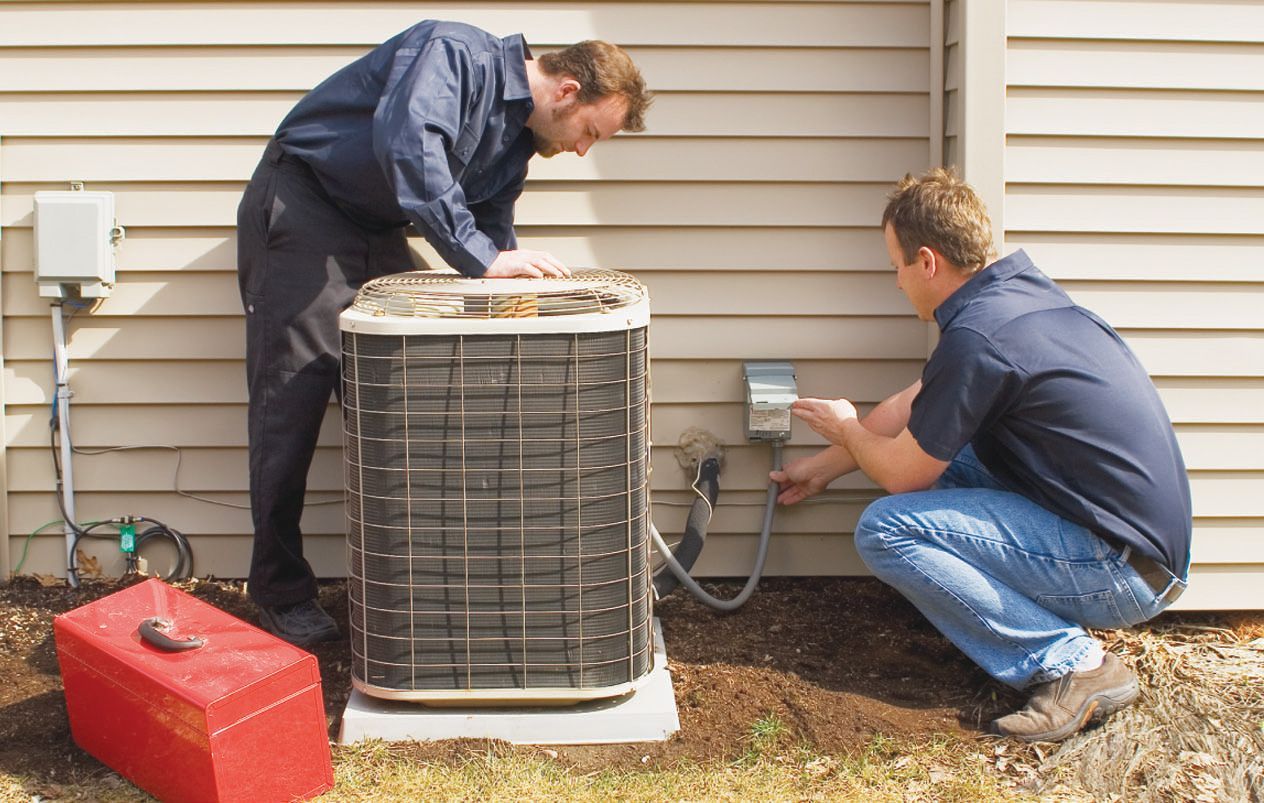
Consulting with experienced professionals is the final step in ensuring your new system meets the specific needs of your property. A technician will perform a load calculation to determine the exact size of the unit required, as an oversized or undersized system will lead to inefficiency and premature wear. This is also the perfect time to evaluate any future home renovations, such as room additions or attic conversions, that might change your heating and cooling requirements.
The decision to replace your HVAC system is a multi-faceted process that impacts your home's comfort, your finances, and the environment. By recognizing the physical and economic signs of system decline, you can move away from the cycle of endless repairs and toward a more reliable solution. The advancements in smart technology and energy efficiency mean that a new unit will provide benefits that far exceed those of your current aging equipment. Contact us at Edward L Kemp Co to schedule your installation today.