August 18, 2026
The climate control systems inside modern residences represent significant, highly complex investments that require consistent, certified professional care to remain operable, efficient, and economical over their designed lifespans. Many property owners mistakenly view annual mechanical checks as discretionary routine expenses rather than essential asset protection strategies, underestimating how quickly minor mechanical issues can compound into major financial disasters. However, neglecting scheduled professional care introduces subtle performance degradations that quietly accumulate into massive financial liabilities over time, steadily draining household finances through multiple hidden channels. Skipping necessary HVAC service exposes households to utility bill inflation, premature equipment collapse, costly interior health hazards, and degraded environmental safety, ultimately turning minor maintenance neglect into severe, long-term fiscal losses that could easily have been avoided.
Understanding the cumulative financial impact of deferred mechanical upkeep requires analyzing how complex heating and cooling units operate under continuous operational strain throughout the changing seasons. Over multiple operating seasons, these minor physical inefficiencies compound relentlessly, requiring exponentially more power to maintain basic comfort levels while placing immense strain on internal mechanical drives. By prioritizing professional care before complete mechanical breakdowns occur, property owners protect their household budgets against compounding financial losses, ensure operational stability, and secure long-term residential value for years to come.
Optimizing System Energy Efficiency
Mechanical climate control units depend entirely on unobstructed airflow, precise electrical output, and exceptionally clean thermal exchange surfaces to manage indoor temperatures efficiently during extreme weather conditions. As airborne dust, outdoor debris, pollen, and ambient organic particulates gather on internal coils, blower fans, and filtration pathways, the overall electrical energy required to circulate conditioned air escalates dramatically. This inefficiency translates directly into higher utility bills, increasing household expenses significantly. According to the U.S. Department of Energy, replacing an air conditioning system that is 10 years old with a modern, high-efficiency model can reduce cooling energy costs by 20% to 40%. This statistic underscores the importance of maintaining and upgrading HVAC systems.
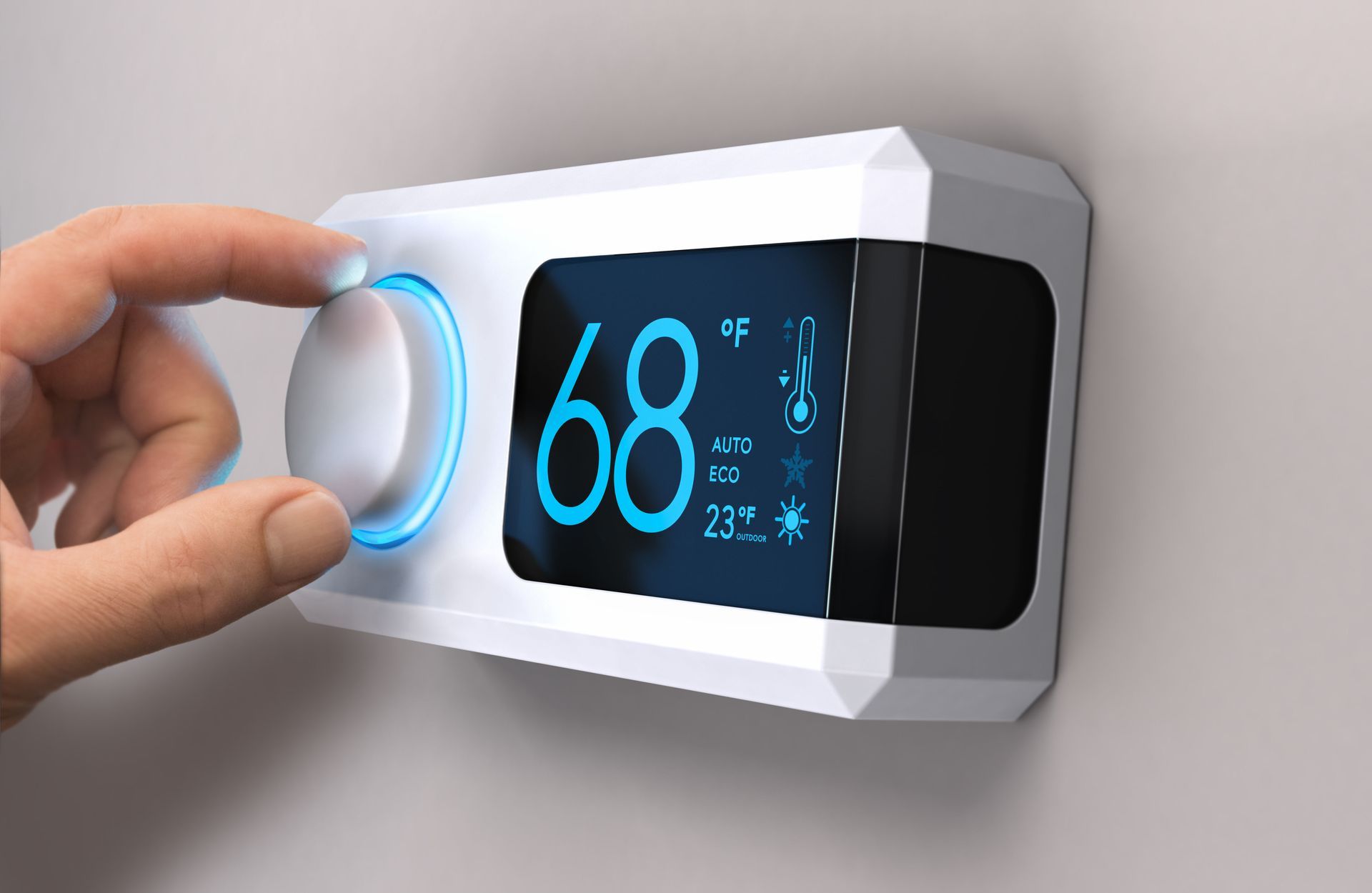
Beyond the fundamental thermal exchange components, sensitive electrical elements and air distribution channels suffer immensely when regular tune-ups are omitted from a home maintenance schedule. A malfunctioning thermostat, dirty sensor array, or miscalibrated temperature control module causes frequent operational cycling, drawing unnecessary surge currents from the electrical grid and elevating power consumption during peak utility hours. Unchecked component wear creates continuous mechanical resistance, forcing high-torque compressors and fan motors to consume electrical power far beyond their baseline factory designs just to meet basic demand. Scheduling a professional HVAC service restores factory specifications, aligns delicate electronic sensors, and eliminates operational friction, keeping monthly energy expenses manageable, optimized, and predictable throughout the demanding summer and winter months.
Preventing Costly Equipment Failures
The complex mechanical architecture of a central heating and cooling network involves dozens of interconnected moving parts that depend on smooth balance to perform properly day after day. When one internal component deteriorates due to a lack of proper lubrication or accumulated dust, neighboring components absorb additional mechanical stress and vibration to compensate for the imbalance. This continuous physical strain accelerates wear across delicate motor bearings, drive belts, expansion valves, and electrical relays, rapidly transforming a minor component failure into a widespread, system-wide mechanical failure.
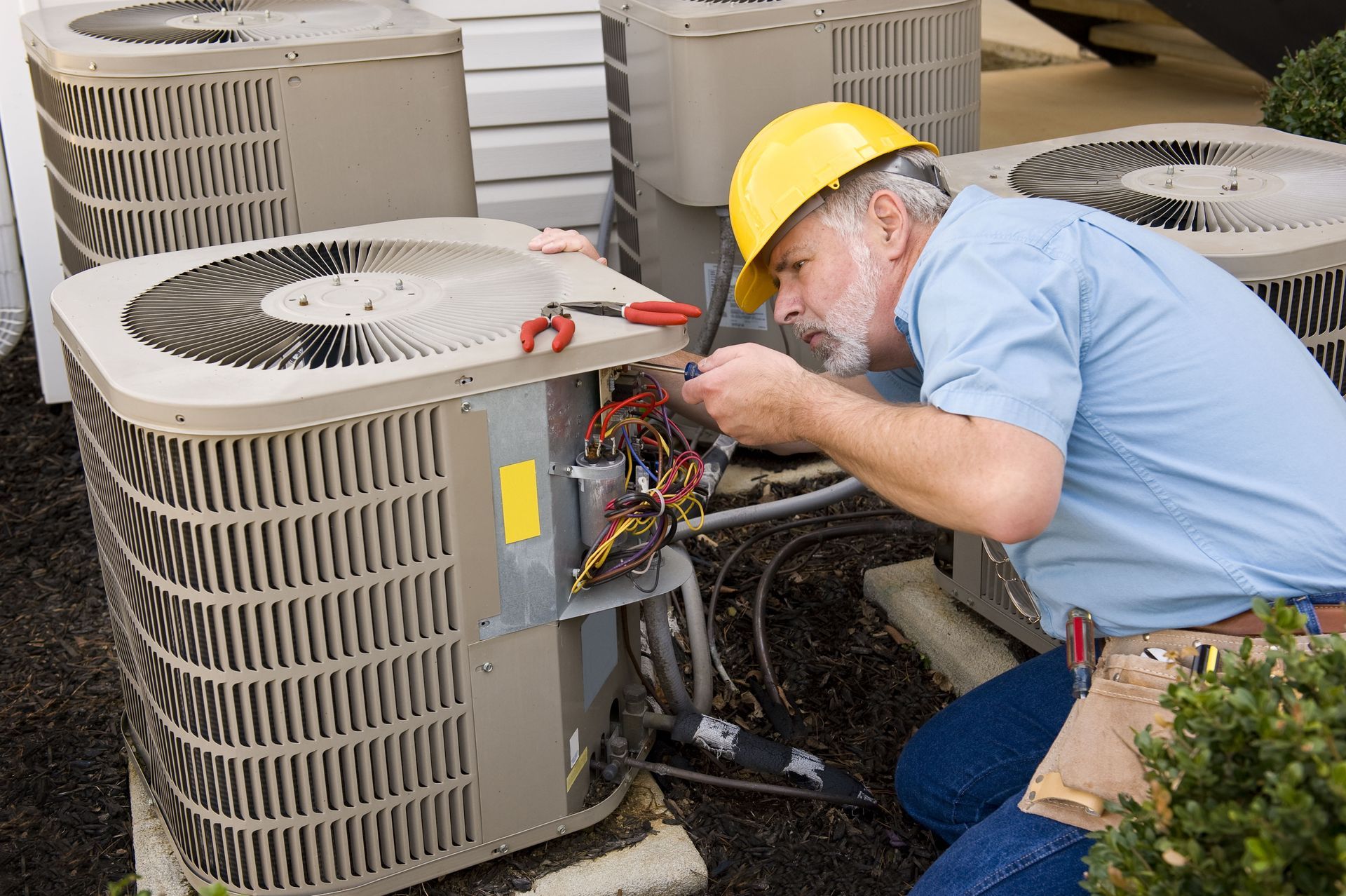
Proactive professional inspections identify micro-cracks, electrical imbalances, refrigerant leaks, and subtle thermal degradation long before catastrophic system shutdowns occur during extreme heatwaves or winter freezes. Lubricating moving assemblies, clearing obstructed condensate drain lines, checking system pressures, and tightening electrical connections prevent severe overheating incidents that permanently ruin sensitive electronic circuit boards and expensive compressors. Investing in a routine HVAC service minimizes the probability of unexpected emergency breakdowns, expanding the functional lifespan of the entire system while allowing homeowners to avoid the exorbitant financial stress associated with sudden emergency replacement expenses.
Protecting Indoor Environmental Quality
Indoor air quality depends directly on the physical cleanliness and overall operational integrity of central heating and cooling infrastructure operating throughout the home. Neglected mechanical systems continuously gather airborne particulates, outdoor pollen, biological growth, dander, and microscopic organic residue within dark internal chambers and damp condensate drain pans. When the central blower motor activates, these trapped pollutants scatter rapidly across interior living spaces, severely reducing interior air quality and causing noticeable health issues for household members who breathe the circulating air daily.
Remediating indoor environmental contamination often involves substantial personal healthcare expenses, including costly prescription medications, specialized high-efficiency air purification equipment, medical consultation visits, and missed workdays. In addition to direct health costs, unmanaged moisture accumulation inside neglected cooling systems can encourage severe biological growth that damages surrounding drywall, framing, and expensive flooring, requiring urgent professional remediation services. Contracting a comprehensive HVAC service guarantees that internal evaporator coils, drain lines, distribution channels, and air passages remain clean, dry, and sanitary, effectively safeguarding household health while avoiding expensive structural restoration projects.
Safeguarding Home Appraisal Values
The functional condition and observable maintenance history of central heating and cooling infrastructure directly influence the valuation of residential real estate during formal property appraisals. Potential homebuyers, licensed real estate agents, and certified property inspectors evaluate climate control systems extremely closely, viewing old or poorly maintained units as major immediate financial liabilities that require immediate price deductions. Evidence of mechanical neglect, unusual operational noise, inadequate cooling capability, or deferred maintenance can trigger unfavorable home inspection reports, reducing overall property appraisal values and weakening seller negotiation leverage in competitive real estate housing markets.
Furthermore, residential real estate transactions often stall completely or collapse altogether during escrow when thorough home inspections reveal years of deferred mechanical maintenance. Prospective buyers routinely demand thousands of dollars in price reductions, repair credits, or seller concessions to account for impending equipment replacements before agreeing to close escrow. Maintaining detailed professional documentation of consistent HVAC service demonstrates responsible property stewardship, reassuring potential buyers that the home's mechanical systems are fully operational, reliable, and move-in ready. Preserving mechanical systems through ongoing professional care protects valuable equity and supports higher market values when listing residential properties for sale.
Ensuring Regulatory and Warranty Compliance
HVAC system manufacturers issue valuable multi-year limited warranties that cover expensive structural components, including scroll compressors and primary heat exchangers, against unexpected manufacturing defects. However, these legal warranty contracts explicitly require property owners to maintain the equipment through continuous, documented professional care over the lifetime of the policy. Failing to perform mandatory periodic upkeep completely voids warranty coverage, leaving property owners personally responsible for paying hundreds or thousands of dollars in replacement parts and specialized labor expenses if major components fail prematurely. Keeping official service invoices ensures complete compliance with strict manufacturer warranty guidelines, providing robust financial protection when unexpected component failures occur.
In addition to manufacturer warranties, local municipal building codes and residential property insurance policies frequently stipulate strict operational safety standards for residential heating and cooling equipment. Unmaintained gas furnace heating systems pose severe safety risks, including toxic carbon monoxide leaks and hazardous electrical fire risks, which can violate municipal safety regulations and lead directly to insurance claim denials following a disaster. Relying on a certified HVAC service guarantees that all mechanical and electrical configurations comply fully with updated local building codes, preserving high safety standards while ensuring full property insurance coverage during unexpected emergency damage events.
Take complete control over your interior home comfort and protect your long-term family finances by scheduling your next comprehensive HVAC service with Edward L Kemp Co today. Our team delivers thorough mechanical evaluations, precision system calibrations, deep component cleanings, and complete system tune-ups tailored specifically to your household needs. Contact us now to speak directly with an experienced climate control specialist and book your appointment for reliable, worry-free year-round comfort.